Brick Is Gone From Blue Star. Here's What's Actually Filling the Silence This Fall
The sign taped to Brick's door in February read simply: closed until further notice. It stayed that way. The venue that had anchored the middle of the Blue Star Arts Complex since 2014, the one with the two 80-year-old Austrian chandeliers that made it the go-to backdrop for weddings, fashion shows, and vendor markets, went dark after its landlord issued a lockout notice on February 9. Owner Elizabeth Ciarfeo told reporters she owed back rent and roughly $18,000 in disputed back taxes, on top of a January payroll dispute that had already sent former employees onto social media to say they hadn't been paid.
First Friday came back three weeks later anyway, on schedule, the way it has for more than three decades. It came back again this past week, on September 4, with shops, galleries, studios, restaurants, and bars open across the complex just like the listing promised. If you walked South Alamo Street that night, nothing about the evening announced that anything had changed. That's the part worth sitting with. Southtown didn't lose an event. It lost the specific kind of business that used to make the event what it was, and the thing replacing it runs on a completely different model.
Brick wasn't just an event space. It operated under a nonprofit arm called Cube Projects, which existed to hand cheap or free space to artists, musicians, and micro-entrepreneurs who couldn't otherwise afford a foothold in a district built on 1,500-to-5,000-square-foot commercial units. Over the years it hosted more than a hundred Sunday markets, vintage markets, vegan markets, and First Friday pop-ups, the kind of low-margin, high-volume programming that fills a calendar but rarely covers a mortgage. That structure is exactly what COVID-era debt exposed. Ciarfeo told MySA in February that it would take "a miracle" or "somebody with deep pockets" to save the space, and as of this writing nobody has stepped in.
That's not a story about one venue's bad luck. It's a story about which business model can actually survive in a 40-year-old arts complex once the debt catches up. Brick ran on volunteer labor, discounted rent for nonprofits, and margins thin enough that a single bad year of back taxes became terminal. The complex's own leasing materials still pitch commercial tenants on "name recognition, connection to the San Antonio Riverwalk, First Friday, and the King William Historic Neighborhood," but that foot traffic apparently isn't enough on its own to keep a subsidized arts venue solvent anymore.
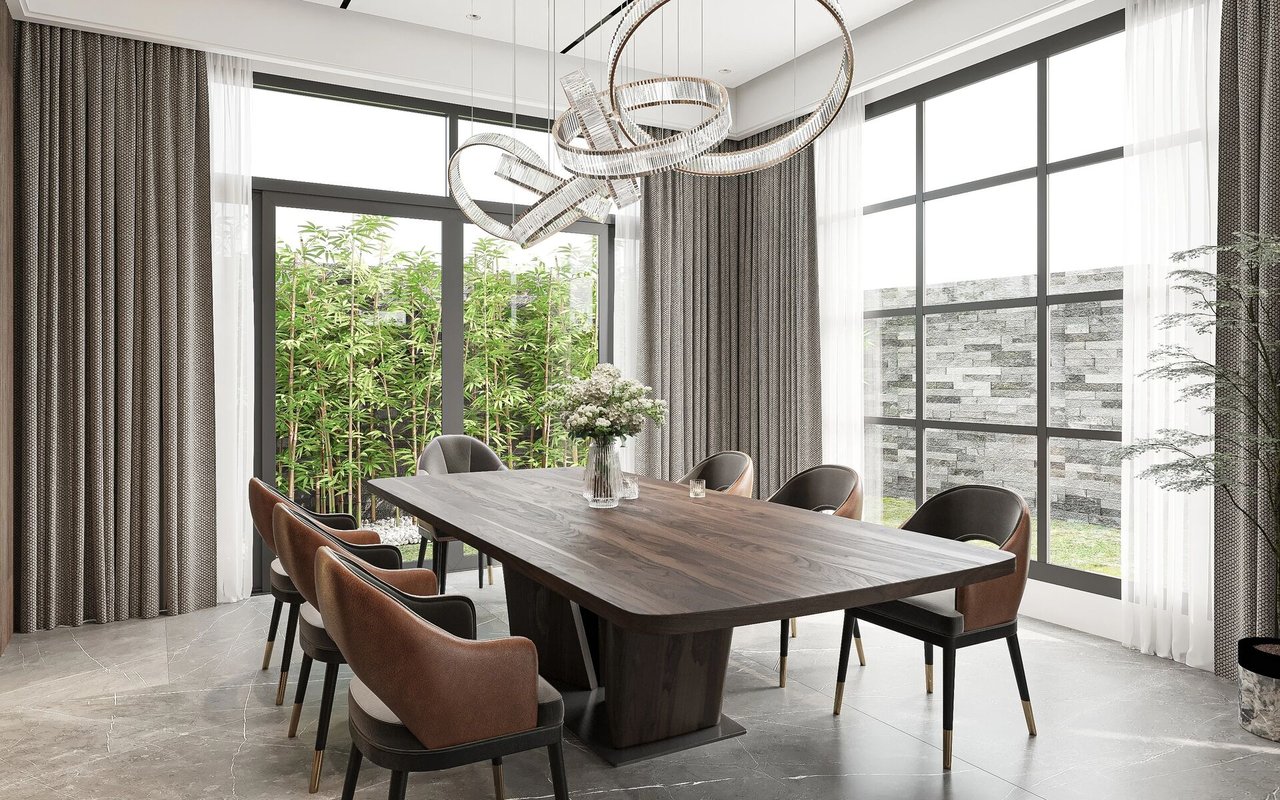
While Brick was unraveling, a very different kind of business was quietly proving the opposite point a few doors down. King William Wine Co. opened at 1420 S. Alamo, inside the same Blue Star footprint, in the fall of 2025. It isn't a pop-up incubator. It's a chef-driven restaurant led by Jill Arreguin, built around membership wine lockers, a European-leaning menu of lavender-braised lamb shank and beef osso buco, and a stated intention to "cultivate not just a restaurant, but a community." Co-owner Juan Arreguin described the buildout as deliberate down to the fixtures, which is a different sentence than anything anyone ever said about Brick's rented sofas and drapes.
The market noticed fast. King William Wine Co. was named one of San Antonio's Best New Restaurants in 2025 within months of opening, and by 2026 it had climbed to number 23 on the San Antonio Express-News Top 50 Restaurants list, a jump the restaurant itself describes as coming just nine months after its doors opened. That's not a rounding error. It's a business with enough capital behind it to build a wine locker program and a full bar before it ever needed to prove it could pay rent, doing in under a year what took Brick more than a decade to build and then lose.
Walk a few more blocks and the pattern holds. Pizzeria Vesuvio is turning out wood-fired pies on South Alamo Street, another food-forward concept with real buildout costs rather than a rented folding table. Chef Johnny Hernandez, already known in San Antonio for Burgerteca and La Gloria, is converting a warehouse on Alamo Street into a food hall built to house Burgerteca, the Fruteria, and Southtown Coffee under one roof, a project the San Antonio Current flagged as one of the most anticipated openings of early 2026.
None of these are artist incubators. They're multi-concept, multi-tenant food operations designed the way a developer designs a project, with parking accounted for and a lease structure that can absorb a slow month. Line them up against what closed and the shift is hard to miss:
None of this changes the calendar. First Friday is still free, still monthly, still anchored at Blue Star, and the complex still had more than 20 galleries and studios participating as of earlier this year. What's changing is the texture underneath it. The businesses that used to define a First Friday walk, the ones where you could wander into a warehouse gallery for free and stumble onto a pop-up market, are being replaced or crowded out by concepts that require a reservation, a wine club membership, or a seat at a bar with an actual wait. You'll still find art. You'll also find yourself standing in line behind people who came for the osso buco, not the exhibit.
That's not a complaint about the food getting better, because it clearly is. It's a note for anyone who's lived here long enough to remember when Brick's chandeliers were the thing people photographed on their way through the complex. The neighborhood's identity used to be built on space that was cheap enough for anyone to use it. What's replacing that space was built with the opposite assumption, that people will pay real money for a curated version of the same street. Both things can be true on the same block. It's just worth noticing which one is winning the lease.
If you're the kind of person who treats Southtown as your actual neighborhood rather than a place to visit once a season, this is the year to pay attention to who's renewing and who isn't. The complex looks the same from the sidewalk. It isn't running on the same fuel.
If you ever want to talk about what any of this means for property values, timing, or simply where to grab dinner before you walk First Friday, reach out to Leslie Reyes Idais. Let's Connect.
Your goals are the priority. Whether you're searching for your first home, upgrading, downsizing, or selling, Leslie Reyes Idais offers personalized guidance tailored to your unique needs. Every step of the process is handled with care, professionalism, and attention to detail to ensure a smooth and rewarding experience.
LESLIE REYES IDAIS
6606 N New Braunfels Ave San Antonio, TX 78209